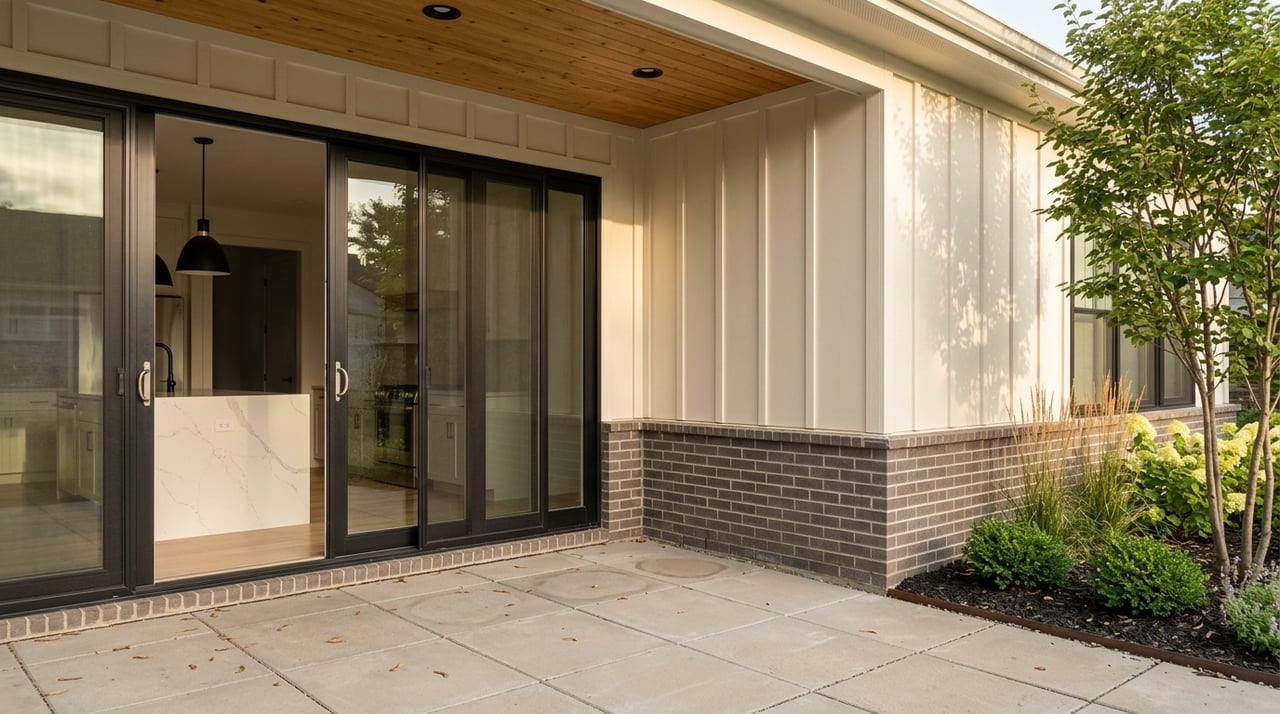
If you want a brand-new home in the Dublin area, you are not looking at just one type of neighborhood or one kind of floor plan. Today’s new construction options stretch from large master-planned communities and suburban single-family neighborhoods to townhomes and mixed-use residential projects closer to Dublin’s urban core. That can feel exciting and overwhelming at the same time. In this guide, you’ll get a clear look at where new construction is concentrated in Dublin and Northwest Columbus, what types of homes are available, and how to compare your options with more confidence. Let’s dive in.
Where New Construction Is Concentrated
In Dublin, the northwest corridor remains one of the clearest areas for single-family growth. According to the city’s Northwest Glacier Ridge plan, residential subdivisions already line Hyland-Croy Road, with newer neighborhoods in various stages of development. The same plan notes that remaining sites are limited by Glacier Ridge Metro Park and the shape of the corridor, with future build-out tied in part to improvements around U.S. 33, SR 161, and Post Road.
That matters if you are trying to focus your home search. Instead of expecting new construction to be evenly spread across Dublin, it helps to know that much of it is clustered in a few defined pockets. In practical terms, many buyers end up comparing communities along the Hyland-Croy corridor, around Post Road, and in nearby areas that connect into the broader northwest side market.
Jerome Village is the biggest master-planned hub tied to the Dublin market. The community spans roughly 2,000 acres, is primarily in the Dublin City School District, and includes a wide mix of builders and price points. Builders listed there include 3 Pillar Homes, Epcon, Fischer Homes, M/I Homes, Rockford Homes, Schottenstein Homes, and Virginia Homes.
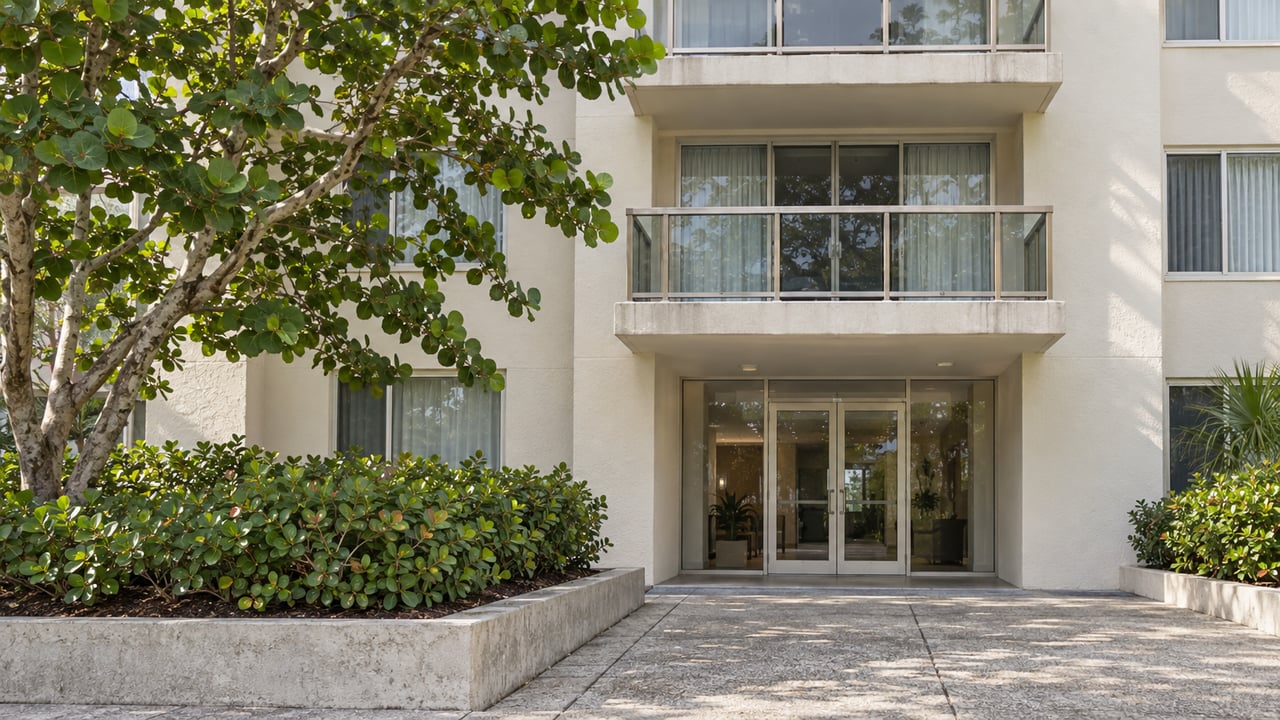
Dublin’s urban core is also adding newer residential product through the Bridge Street District. The district plan allows a broad range of residential uses, and projects such as Bridge North and All In Dublin add multifamily housing to the mix. So if you picture new construction as only detached homes in suburban subdivisions, the local market is wider than that.
Types of New Homes You’ll Find
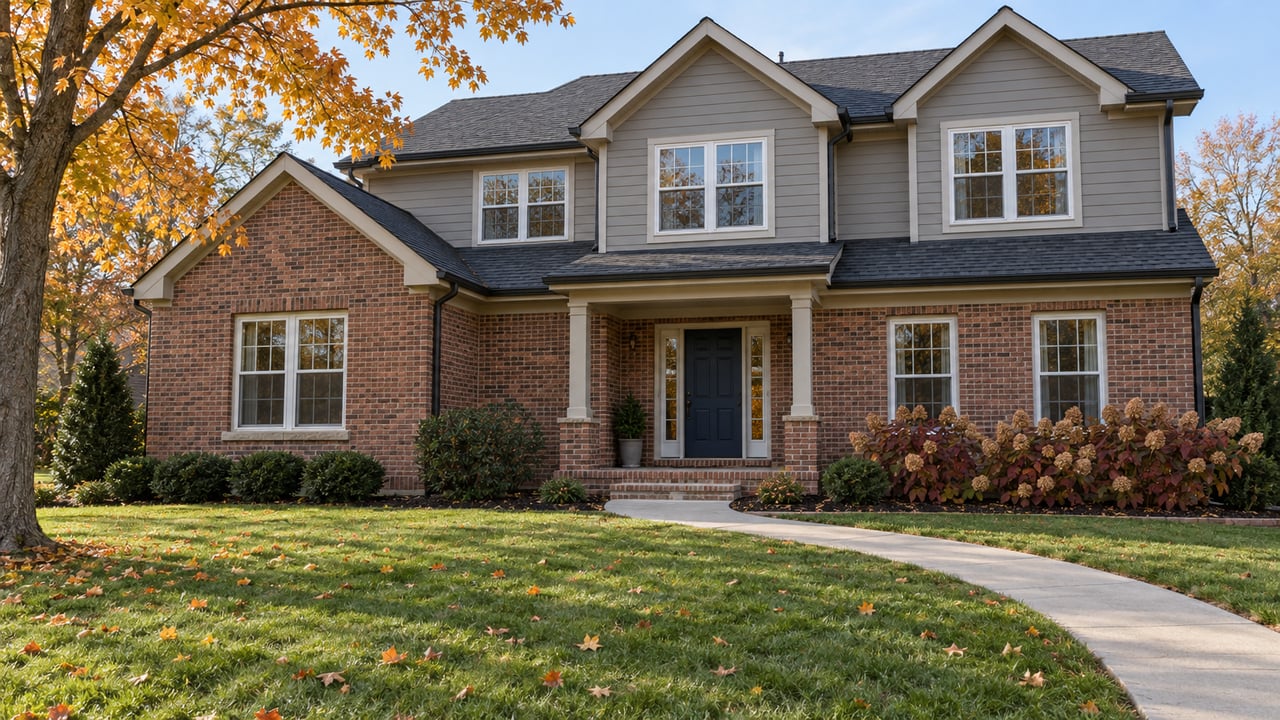
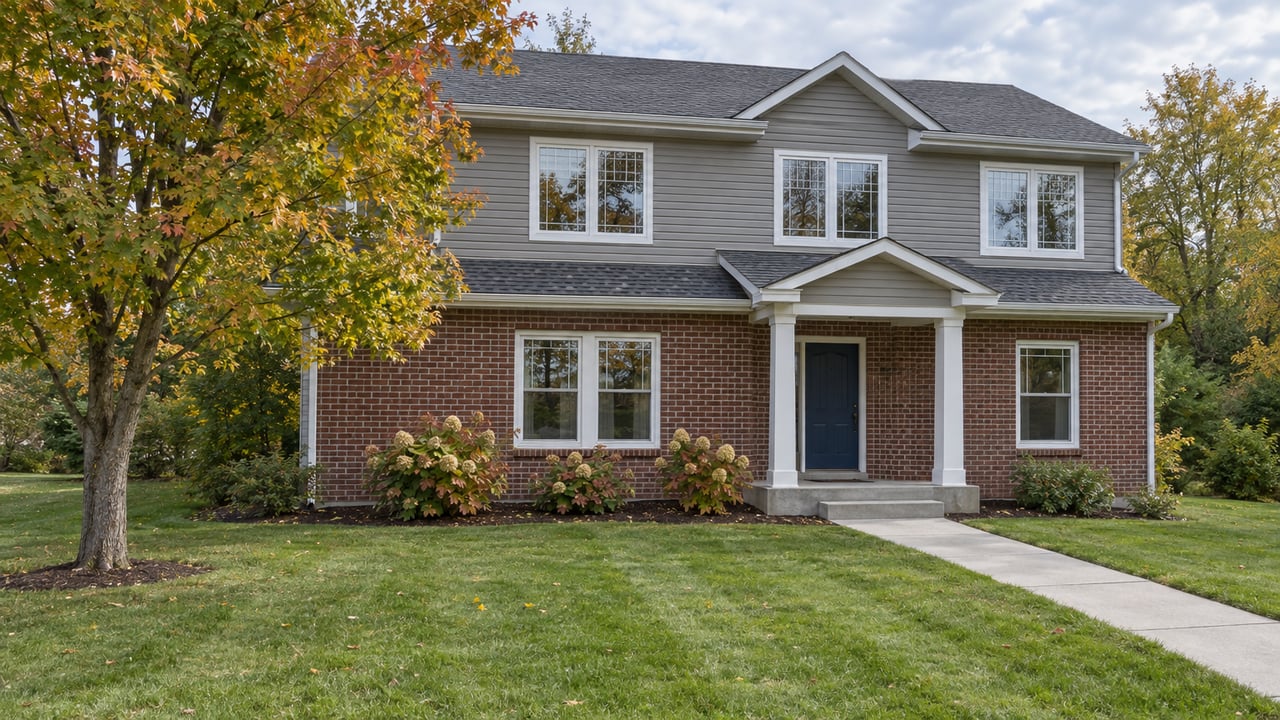
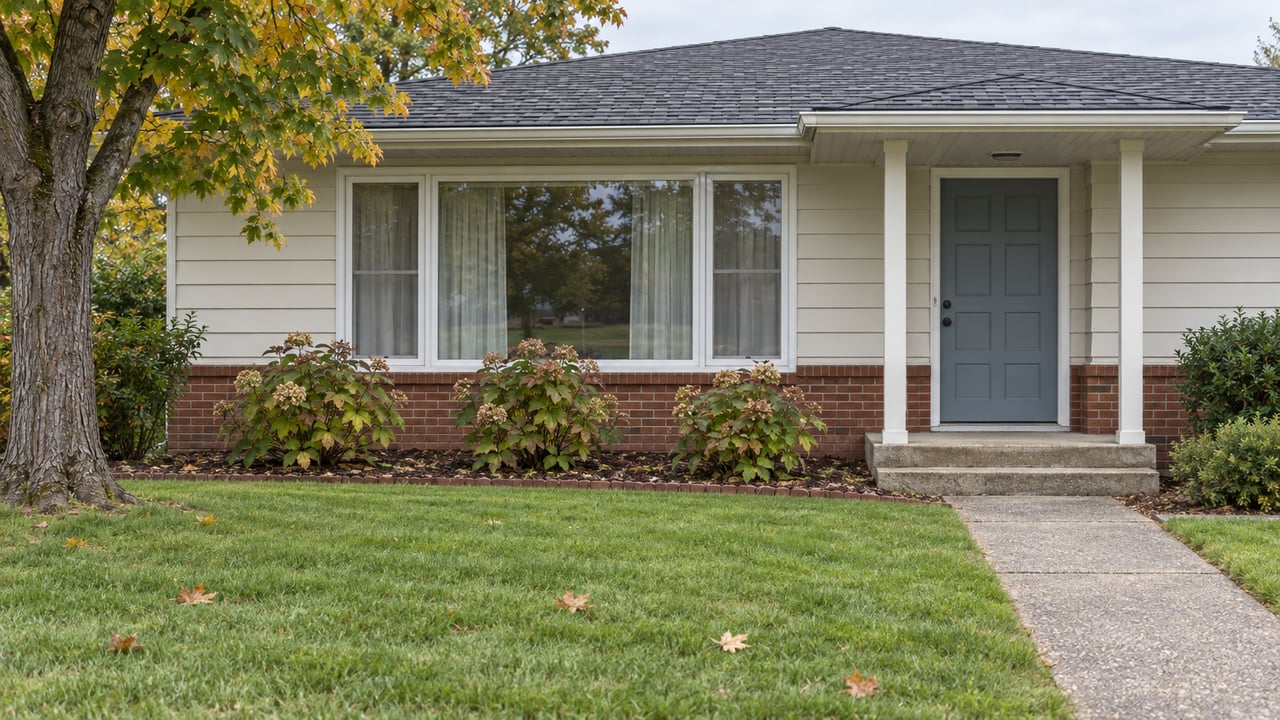
If you are searching in Dublin and Northwest Columbus, you will find several common product types. These include detached single-family homes, ranch-style homes, townhomes, low-maintenance communities, and mixed-use residential options. The right fit usually depends on your budget, timeline, and how much space or upkeep you want.
Some of the best-known single-family options are tied to Jerome Village and nearby communities. In Jerome Village’s Aster section, Schottenstein Homes offers ranch, two-story, and multi-level plans starting in the $540s to $590s. M/I Homes also offers Dublin-area sections such as Applewood and Hyland Glen, with single-family homes featuring at least three bedrooms, two or more baths, and a range of exterior styles and interior finishes.
Applewood starts at $586,900, while Hyland Glen shows starting prices around $729,690. Hyland Glen also highlights features many buyers are asking for today, including open layouts, full basements, lofts, morning rooms, and first-floor guest-suite or office options. These communities appeal to buyers who want more space and more choices during the build process.
Nearby options broaden the price range and housing styles even more. The Ridge at Glacier Pointe, located in Plain City near Dublin, offers single-family homes from the $600s with about 1,924 to 3,745 square feet. Darby Station in Plain City includes both two-story townhomes and single-family homes, with ranch, multi-level, and two-story layouts ranging from 1,924 to 3,745 square feet and three to six bedrooms.
You can also find lower-maintenance or more entry-level new construction in surrounding Northwest Columbus communities. Clarkshaw Crossing in Powell includes townhomes and modern single-family homes starting in the low $300s. In Hilliard, Hill Farm combines single-family homes and low-maintenance ranch homes starting at $448,900 and includes open spaces, trails, ponds, a community garden, and a playground.
Another example of the move-up product common in this corridor is Wyandotte Woods in Dublin. Trinity Homes highlights features such as a first-floor guest suite, den, loft, covered front porch, walk-in pantry, large kitchen island, mud room, and second-floor laundry. That list reflects what many buyers now expect from newer suburban homes in this part of Central Ohio.
Floor Plan Trends Buyers Are Choosing
Many of today’s most common floor plan features line up with why buyers choose new construction in the first place. In the National Association of Realtors 2024 Generational Trends report, buyers who chose new construction most often cited avoiding renovations or plumbing and electrical issues, the ability to choose and customize design features, community amenities, energy efficiency, and smart-home features.
That helps explain why local builders keep leaning into open-concept kitchens and great rooms, flex spaces, lofts, and multi-use gathering areas. These layouts are designed to be more adaptable for work, hosting, hobbies, and everyday living. In the Dublin-area market, those features show up again and again across builder plan pages.
Ranch homes and first-floor owner-suite plans also remain important. For some buyers, fewer stairs and easier long-term maintenance are major priorities. Builders in Jerome Village, Powell, Hilliard, Dublin, and nearby areas continue to offer ranch and low-maintenance options to meet that demand.
Many move-up plans in the corridor also include extras that can shape your final decision and your final cost. Common examples include first-floor guest suites, three-car garages, full basements, morning rooms, and second-floor laundries. These features can be very appealing, but they are also part of why it is important to compare the full option sheet rather than just the advertised starting price.
New Construction vs. Resale
New construction and resale homes each solve a different problem. New construction is often the better fit if you want personalization, newer systems, energy-efficiency features, and a lower chance of dealing with immediate repairs. Resale is often the better fit if you want a faster move, a more established setting, or stronger value at a given price point.
The same 2024 NAR data shows that buyers who preferred existing homes most often pointed to better overall value, better price, and more charm or character. That does not mean one option is better across the board. It means your choice should start with what matters most to you right now.
If you are relocating or trying to move on a tight timeline, this tradeoff becomes even more important. A quick move-in home can help you land somewhere between a full build and a traditional resale. Builders in the Dublin-area market, including M/I Homes and Rockford Homes, do offer ready-now or quick move-in inventory in some communities.
How Timelines Usually Work
A new build usually takes longer than a resale purchase, and that affects everything from your lease timing to your financing strategy. For a custom build, NAR says the design phase often lasts three to six months, and construction typically lasts at least 12 to 16 months, with possible delays beyond that. That is a very different experience from a typical resale closing.
For comparison, Freddie Mac says the average time to close a purchase loan is 43 days. The Consumer Financial Protection Bureau also notes that the Closing Disclosure must be delivered at least three business days before closing. So if speed is your top priority, resale or quick move-in inventory may be a better fit than building from the ground up.
Stock plans and spec homes can shorten the wait. NAR notes that buyers who choose a stock plan or spec home may still be able to customize some finishes if the home is early enough in construction. Depending on timing, that can include items like flooring, lighting, tile, countertops, cabinets, and vanities.
What to Compare Before You Decide
When you tour new construction communities in Dublin and Northwest Columbus, it helps to compare more than the model home and base price. Builders often advertise a starting number, but the final price can rise once you add structural options, lot premiums, elevation changes, and design selections. That is especially true in communities where morning rooms, bonus rooms, guest suites, garage expansions, and alternate exterior styles are common upgrades.
A simple comparison checklist can keep your search grounded:
- Base price versus likely final price
- Included features versus upgrade costs
- Build timeline versus your move timeline
- Floor plan flexibility for your daily life
- Lot location and any premium pricing
- Maintenance level and community style
- Quick move-in availability
- Commute routes tied to U.S. 33, SR 161, Post Road, and Hyland-Croy Road
If you are deciding between communities, this kind of side-by-side review can save you from falling in love with a model home that ends up far outside your real budget. It also helps you weigh whether a lower-maintenance ranch, a larger move-up home, or a townhome gives you the best long-term fit.
Why Local Guidance Matters
Buying new construction is not always as simple as walking into a model home and picking finishes. Dublin’s local process includes planning applications, permits, inspections, and a final Certificate of Occupancy after final building and HVAC inspection. The city also notes that inspectors will not enter unless the owner or a representative is present.
That is one reason many buyers still want representation when purchasing a new home. NAR reports that 61% of buyers of new homes used a real estate agent or broker for representation, and buyers valued help understanding the process, identifying faults and features, negotiating, and shortening the search. New construction has its own timeline, paperwork, and decision points, and it helps to have someone keeping the process organized.
For many buyers, that means having an advisor who can compare builders, help review contract terms, track option decisions, coordinate inspection timing, and prepare for the final walkthrough. It also means having a local perspective on how Dublin, Plain City, Powell, and Hilliard options differ depending on your goals. If you want a more streamlined process and clear communication from start to finish, that guidance can make a big difference.
If you are weighing new construction home options in Dublin and Northwest Columbus, the best next step is to match your timeline, budget, and lifestyle needs to the right community and product type. Some buyers need a quick move-in home. Others have the flexibility to build and want more personalization. If you want help comparing communities, builders, and timelines across Central Ohio, connect with Kevin Hart for a clear, strategy-first plan.
FAQs
What areas have the most new construction near Dublin, Ohio?
- Much of the new construction tied to the Dublin market is concentrated along the northwest corridor, including areas near Hyland-Croy Road, Post Road, Jerome Village, and nearby communities in Plain City, Powell, and Hilliard.
What types of new homes are available in Dublin and Northwest Columbus?
- You can find detached single-family homes, ranch-style homes, townhomes, low-maintenance communities, and multifamily or mixed-use residential options, depending on the location.
What is the difference between a quick move-in home and a full build?
- A quick move-in home is completed or nearly completed, which can shorten your timeline, while a full build usually offers more customization but often requires a much longer wait.
What features are common in new construction homes near Dublin?
- Common features include open-concept kitchens and living areas, flex rooms, lofts, first-floor guest suites, full basements, morning rooms, second-floor laundries, and in some communities, ranch or first-floor owner-suite layouts.
How should you compare new construction home prices in Dublin-area communities?
- Look beyond the advertised starting price and compare included features, lot premiums, upgrade costs, and structural options so you understand the likely final price, not just the base number.
Why use an advisor for new construction in Central Ohio?
- A local advisor can help you compare communities, understand timelines, review builder contracts, track inspections and walkthroughs, and keep the process clear from start to finish.