Looking for the right part of South Columbus can feel harder than it should. One street may offer brick homes from the 1800s, while another leads to postwar ranches or newer townhomes. If you want a clearer picture of what Southeast and South Columbus actually offer, this guide will help you compare neighborhoods, home styles, and everyday tradeoffs so you can search with more confidence. Let’s dive in.
South Columbus offers variety
One of the biggest mistakes buyers make is thinking of South Columbus as one uniform area. In reality, it is a collection of micro-neighborhoods and submarkets with very different housing patterns, street layouts, and home ages.
That matters because your budget, maintenance preferences, parking needs, and lifestyle goals may fit one pocket much better than another. In an active Central Ohio market, having more housing types to choose from can open up better options.
Columbus REALTORS reported 2,118 closings in central Ohio in March 2026, with a median sale price of $335,000, 4,067 homes in inventory, and about 1.6 months of supply. That points to a market that is still moving quickly, so understanding South Columbus by neighborhood can give you an edge.
Near-south neighborhoods to know
German Village
German Village is the best-known near-south comparison point for many buyers. It sits just south of downtown and is known for orange masonry, brick-paver streets, and architecture dating from the 1840s through the 1890s.
You will often see brick Italianate and Queen Anne homes, plus a dense historic street grid that feels very different from later suburban development. If you love historic detail and a close-in location, German Village often sets the standard, but it also comes with unique ownership considerations.
Because of its historic preservation framework, some exterior changes are subject to review through a local commission. For some buyers, that structure helps protect the character of the area. For others, it is an important factor to weigh before making an offer.
Merion Village
Merion Village is often part of the conversation when buyers want historic character with a somewhat different price point or feel than German Village. The neighborhood grew through multiple waves of settlement and industrial-era expansion, and today it is known for historic houses, churches, schools, and local businesses.
From a housing perspective, Merion Village can appeal to buyers who want older, solidly built homes and convenient access to downtown and other parts of the city. It is a useful example of how South Columbus can offer charm and location without looking exactly the same block to block.
Old Oaks
Old Oaks gives you another version of early South Columbus housing. It developed as a turn-of-the-century streetcar suburb, and its housing stock includes American Foursquares, Neoclassical Revival homes, and Modified Queen Anne designs.
Many homes are substantial 2 1/2-story brick houses with large front porches. If you want more early-20th-century architecture and a traditional neighborhood layout, Old Oaks is one of the areas worth watching closely.
Driving Park and Hanford Village
Driving Park is also rooted in the streetcar era, which helps explain its older layout and housing rhythm. Buyers comparing older neighborhoods across the south and southeast side may notice the difference between these early urban patterns and later car-oriented subdivisions.
Hanford Village tells a different story. Developed in 1946 and built as a cohesive neighborhood of Cape Cod homes, it is an important postwar example on the southeast side. Mid-century modern buildings have also been documented there, adding another layer to the area’s housing mix.
Farther south feels more suburban
As you move farther south, the pattern changes. In Scioto Southland and nearby areas, housing is predominantly single-family, with many places reflecting a 1950s suburban layout.
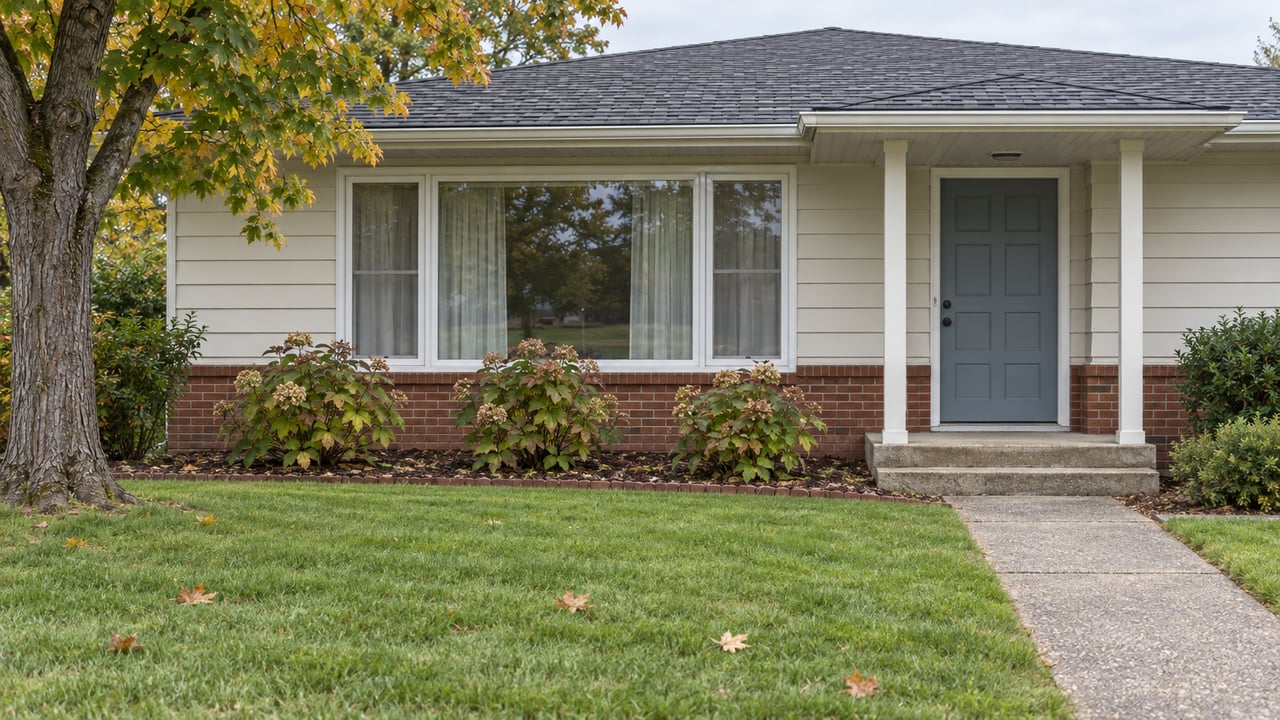
Small ranch-style homes are the most common style in much of the area. The plan for Scioto Southland also notes that homes from the 1990s and later appear in the southern portion, which means buyers may find a mix of older entry-level homes, mid-century properties, and newer development in the same broader area.
This part of South Columbus can make sense if you want a more suburban layout, simpler parking, or a different maintenance profile than you might find in a dense historic district. It also shows why the south side appeals to buyers at different budget levels.
Home styles you may see
South Columbus spans several housing eras, and that range is part of its appeal. Instead of expecting one signature home type, it is smarter to expect a menu of options.
Here are some of the home styles buyers commonly encounter:
- Brick cottages and smaller urban homes in historic districts
- Italianate and Queen Anne homes in the oldest south-side blocks
- American Foursquare and Modified Queen Anne homes in streetcar suburbs like Old Oaks
- Cape Cod homes in postwar areas such as Hanford Village
- Ranch and split-level homes in mid-century neighborhoods farther south
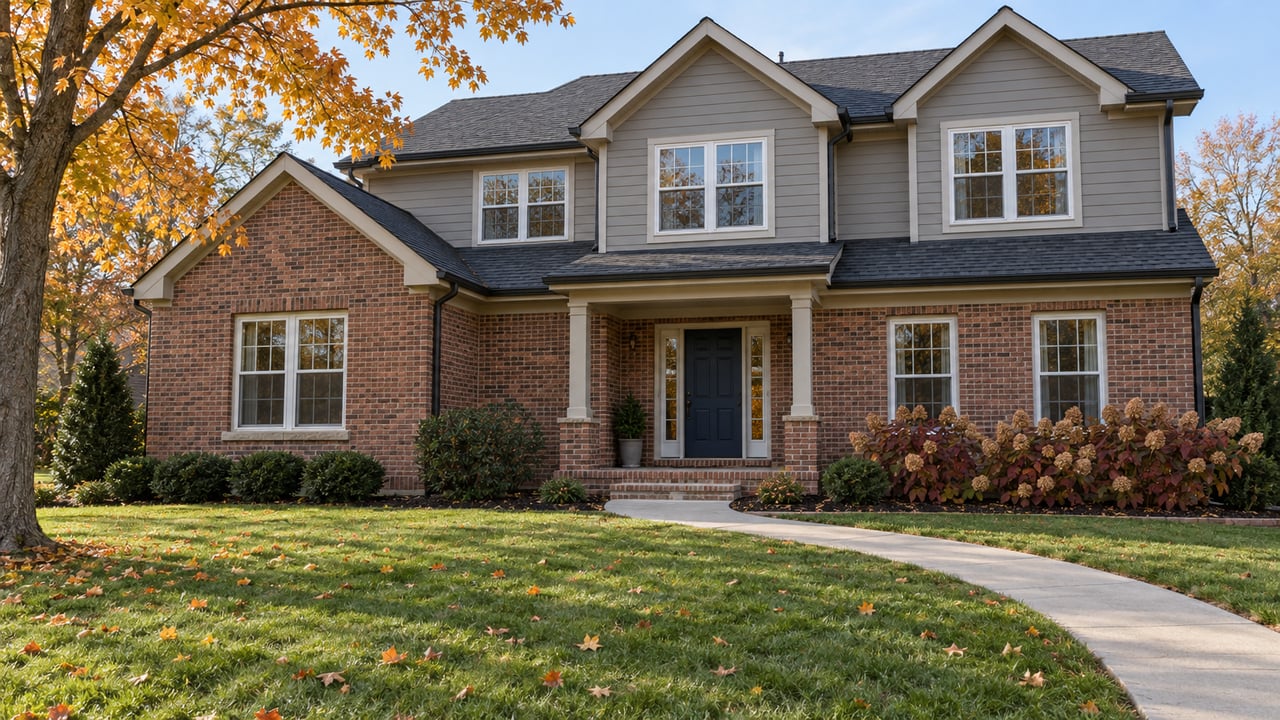
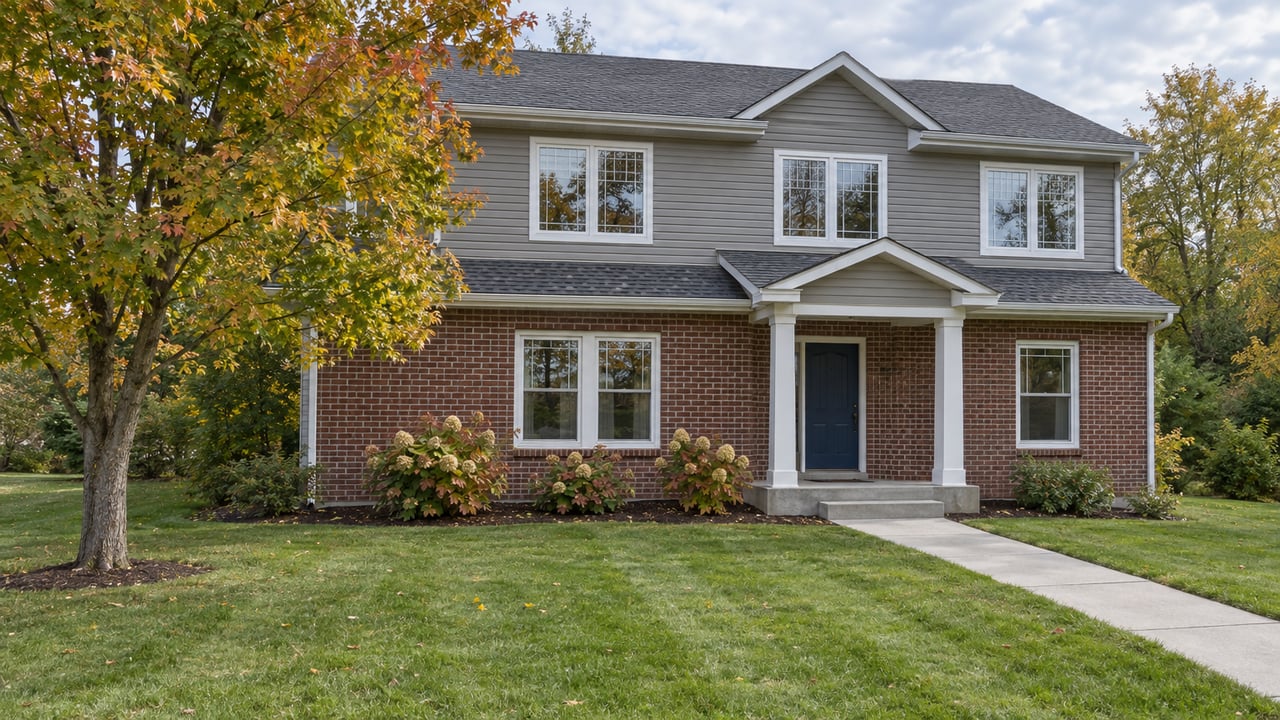
- Two-story suburban homes in later south-side development
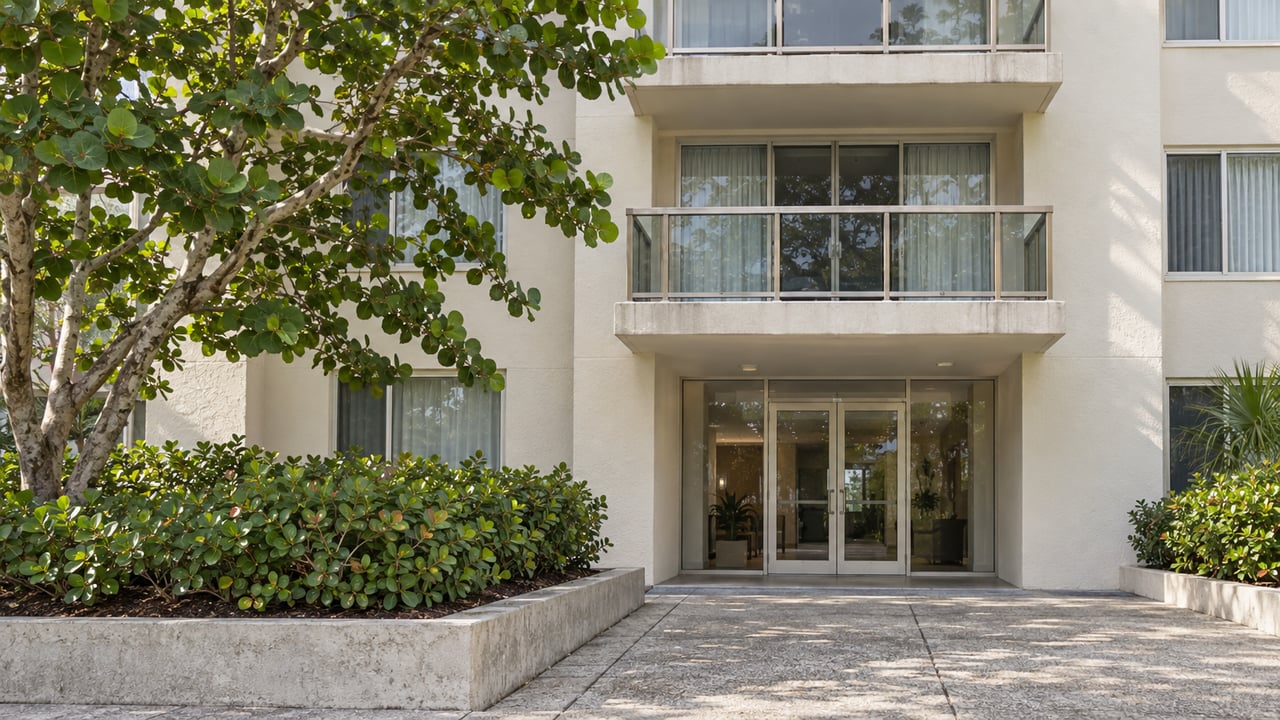
- Townhomes and attached infill housing in areas seeing redevelopment
- Some manufactured-housing pockets in the broader south-side pattern
These style labels are about more than appearance. They often signal how a home lives day to day, including lot size, number of stairs, parking setup, yard space, and likely maintenance needs.
Historic grid or suburban layout?
This is one of the most useful ways to narrow your search. In South Columbus, the setting around the home can matter just as much as the square footage.
Historic grid neighborhoods often bring older architecture, tighter lots, mature streetscapes, and a more traditional street pattern. You may find more alley access, more on-street parking, and more exterior upkeep depending on the age and materials of the home.
Suburban-style neighborhoods farther south often offer wider streets, more auto-oriented layouts, and home styles like ranches, split-levels, and later-built two-story houses. If ease of parking, fewer stairs, or a simpler exterior-maintenance routine is high on your list, those areas may deserve a closer look.
Newer options are part of the mix
It is easy to think of South Columbus as mostly older housing, but that is not the full story. New attached housing is still being added in the near-south area.
A recent Columbus permit filing for South Ohio Townhomes described two three-story townhouse buildings with seven total townhomes at South Ohio Avenue and Franklin Avenue. That is a good reminder that buyers who want lower-maintenance ownership or newer construction details may still find options in the area.
This also fits with broader city housing tools that support rehabilitation and new development. The City of Columbus notes that its Land Bank helps return vacant and abandoned properties to productive use, and its Homeownership Development Program can support new construction or rehabilitation, including condos and fee-simple townhomes.
Everyday convenience matters here
When buyers compare South Columbus neighborhoods, convenience often becomes a deciding factor. Major corridors and neighborhood services play a big role in how these areas function day to day.
The South Side Area Commission’s public-services work has focused on corridors and infrastructure such as South High Street, Parsons Avenue, Lockbourne Road, Frebis Avenue, Livingston Avenue, sidewalks, crossings, bikeways, street trees, and street lighting. That tells you the city and neighborhood leadership are paying close attention to mobility and public-space improvements.
There is also visible reinvestment in public space. Blueprint Columbus has repurposed some vacant lots into neighborhood assets with features like trees, bioswales, and walking paths, including South Side Settlement Heritage Park and a site along Parsons Avenue.
For buyers, this helps explain why some parts of South Columbus feel like a mix of older housing stock and ongoing reinvestment. That combination can be appealing if you want established neighborhoods with signs of continued public attention.
How to choose the right fit
The best South Columbus neighborhood for you depends on the tradeoffs you are most comfortable making. A clear plan can help you sort through the options faster.
Start by thinking through these questions:
- Do you want historic character, or would you rather have a more straightforward suburban layout?
- How important are off-street parking and garage space?
- Are you comfortable with the upkeep that often comes with older brick or wood-frame homes?
- Would a ranch, Cape Cod, or townhouse fit your daily routine better than a taller historic home?
- Do you want to be closer to near-downtown neighborhoods, or farther south where the housing pattern changes?
If you are buying in a competitive market, it also helps to define your must-haves versus your nice-to-haves before touring. That way, you can compare homes by function, not just by first impressions.
Why buyers keep watching South Columbus
South Columbus stands out because it offers range. You can find near-downtown historic streets, streetcar-suburb architecture, postwar Cape Cods, mid-century ranches, split-level homes, and newer attached options without leaving the broader Columbus market.
For first-time buyers, relocation clients, and anyone trying to match budget with lifestyle, that variety creates real opportunity. The key is knowing that each pocket comes with its own feel, housing stock, and ownership experience.
If you want help narrowing down which South Columbus neighborhoods align with your budget, home-style preferences, and day-to-day needs, Kevin Hart and the Hart Property Advisors team can help you build a clear, local strategy.
FAQs
What kinds of homes are common in South Columbus?
- South Columbus includes brick cottages, Italianate and Queen Anne homes, American Foursquares, Cape Cods, ranch homes, split-levels, two-story suburban homes, townhomes, and some manufactured-housing pockets.
How is German Village different from other South Columbus neighborhoods?
- German Village is a historic near-south neighborhood known for brick streets, orange masonry, and homes dating from the 1840s to the 1890s, and some exterior changes are subject to local historic review.
What should buyers know about Merion Village in Columbus?
- Merion Village is a near-south neighborhood known for historic housing, long-established community institutions, and convenient access to downtown and other parts of Columbus.
What home styles are common in southeast Columbus areas like Hanford Village?
- Hanford Village is known for postwar Cape Cod homes, and parts of the broader southeast side also include streetcar-era homes, mid-century housing, and later suburban development.
What is Scioto Southland like for South Columbus buyers?
- Scioto Southland is more suburban in pattern, with predominantly single-family housing, many ranch-style homes, and a mix that can include later-built homes in the southern portion of the area.
Are there newer townhomes in South Columbus?
- Yes, permit activity in the near-south area shows that newer attached housing, including townhomes, is part of the current South Columbus housing mix.
Why do buyers compare historic and suburban South Columbus neighborhoods differently?
- Historic areas often offer older architecture, tighter lots, and different maintenance or parking setups, while farther-south suburban areas often offer ranches, wider streets, and more auto-oriented layouts.