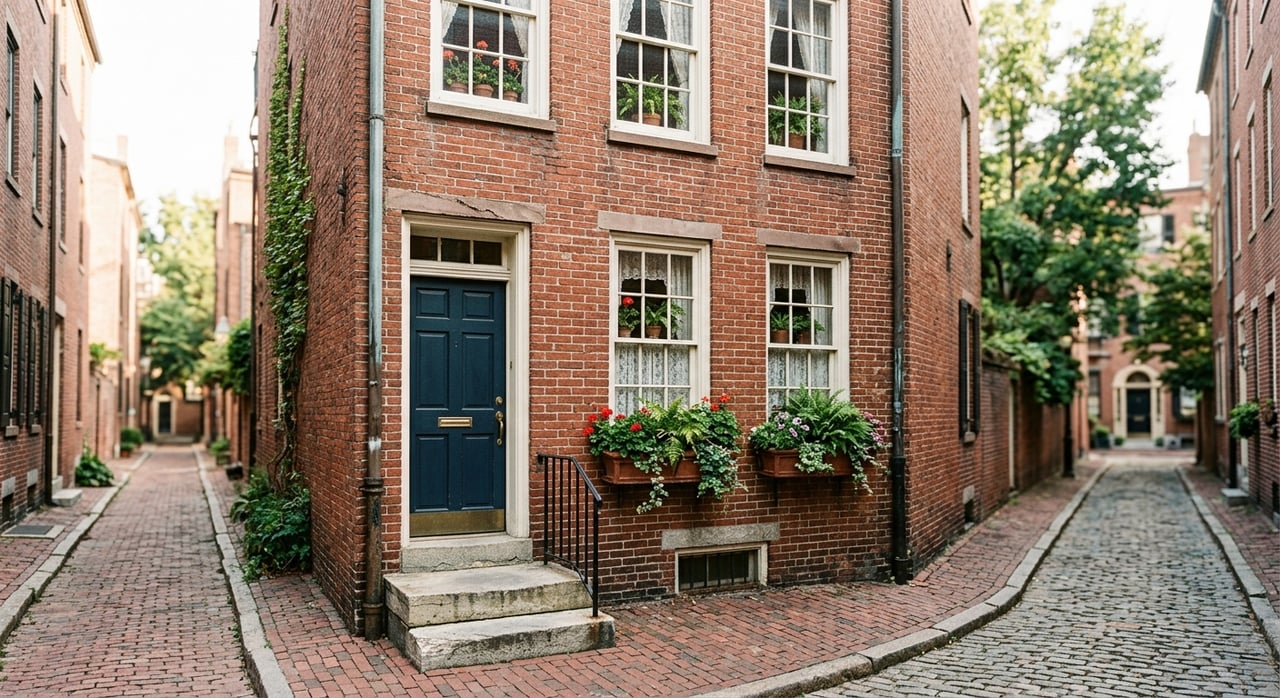
If you are drawn to brick streets, historic homes, and a walkable city lifestyle, German Village likely feels different the moment you arrive. It offers a close-knit, small-scale urban setting just south of downtown Columbus, but it also comes with real ownership responsibilities that buyers should understand before making a move. In this guide, you’ll get a practical look at the homes, daily routines, and tradeoffs that shape life in German Village. Let’s dive in.
German Village at a glance
German Village is a 233-acre historic district just south of downtown Columbus. According to the German Village Society, the neighborhood developed mainly between the 1840s and 1914 and includes roughly 1,800 structures.
What makes the area stand out is that it is a preserved neighborhood, not a recreated one. The German Village Society’s neighborhood overview describes a real residential-commercial district with a low-rise scale, brick streets, and a setting where people often walk to daily destinations.
Historic homes define the neighborhood
German Village housing tends to reflect the era in which the neighborhood grew. You will commonly see cottages, brick doubles, Dutch doubles, Italianate houses, Queen Anne homes, and Foursquare properties, as outlined in the district design guidelines.
Most homes sit on small lots and close to the street or sidewalk. That compact pattern is part of what gives the neighborhood its historic feel, and it also means you should expect less yard space and fewer suburban-style layouts than you might find in other parts of Central Ohio.
What the streetscape tells you
In German Village, the setting matters as much as the house itself. The neighborhood is known for narrow brick streets, brick sidewalks, wrought-iron fences, and closely spaced buildings, according to the German Village Society.
That design creates a strong sense of place, but it also shapes everyday living. Driveways are uncommon, many residents park on the street, and the blocks feel denser and more connected than auto-oriented neighborhoods.
Why homes feel visually consistent
A big reason German Village looks the way it does is preservation oversight. The design guidelines encourage compatible scale and materials like brick, stone, and wood, while additions and garages are expected to remain subordinate to the main house.
For you as a buyer, that often means the neighborhood keeps a cohesive look over time. It also means major exterior changes may involve more planning and review than they would in a non-historic area.
Daily life is built around walking
One of German Village’s biggest draws is how easily daily routines can happen on foot. The German Village Society notes that people walk to destinations throughout the neighborhood, and the local business mix supports that lifestyle.
Nearby stops highlighted by neighborhood and tourism sources include coffee shops, bakeries, bookstores, restaurants, and service businesses. The area is also known for destinations such as The Book Loft, Pistacia Vera, Stauf’s Coffee Roasters, Katzinger’s Delicatessen, Schmidt’s Sausage Haus, Jeni’s, and Winans Chocolates + Coffees, based on local neighborhood references cited in the research.
A realistic German Village routine
If you live here, your day may feel more neighborhood-based than car-based. A typical rhythm might include grabbing coffee or pastries, walking through the neighborhood, taking care of errands nearby, and meeting friends for dinner close to home.
That pattern fits the area’s scale and layout. The neighborhood’s mix of shops, dining, green space, and community events supports a lifestyle centered on walking, short trips, and local routines.
Schiller Park anchors the neighborhood
Schiller Park is one of the biggest reasons German Village feels balanced between city living and outdoor space. The park covers 23 acres and includes gardens, playgrounds, and the Huntington Gardens promenade, according to the German Village Society’s Schiller Park information.
The park also plays a major role in neighborhood traditions. It hosts gatherings and seasonal activity, and Actors’ Theatre presents outdoor Shakespeare performances from Memorial Day weekend through Labor Day weekend.
What that means for your lifestyle
For many buyers, Schiller Park adds an everyday layer of convenience and enjoyment. It gives you space to walk, relax, or meet up with friends without leaving the neighborhood.
In a district known for smaller lots and compact blocks, that kind of shared green space matters. It expands how you experience the neighborhood beyond your front door.
Ownership comes with preservation rules
Historic charm is a major reason buyers look at German Village, but preserving that character comes with a process. The City of Columbus German Village Commission reviews exterior alterations in the district through Certificates of Appropriateness.
In practical terms, if you want to make visible exterior changes, you should expect more review than in a typical neighborhood. The city also notes in its zoning guidance that historic-district projects may require a Certificate of Appropriateness before some permit work can move forward.
Projects may take more planning
This does not mean improvements are impossible. It means your timeline, material choices, and design approach may need to align with district standards.
If you are considering a purchase in German Village, it helps to look beyond the home’s current appearance and think about your long-term plans. Renovation goals, additions, garage changes, or exterior updates may all involve added steps.
Parking is a real quality-of-life factor
Parking is one of the most practical issues to evaluate before you buy. Because driveways are not common and homes are often set on small lots, some properties rely mainly on curb parking.
The city’s current German Village permit parking program overview includes virtual permits, resident permits, guest passes, and 3-hour parking with license-plate enforcement. For buyers, that makes it important to confirm whether a specific property has a garage, alley access, a parking pad, or only street parking.
Questions to ask before you buy
Before making an offer, it is smart to verify:
- Whether the home has off-street parking
- Whether there is alley access
- How guest parking works nearby
- Whether any future parking changes would face setback or material limits
These details can shape your daily routine more than you might expect, especially if you own multiple vehicles or frequently host visitors.
Historic character also means ongoing maintenance
German Village’s appeal is tied to original materials and preserved details. The German Village Society notes that sandstone curbs and brick sidewalks are preserved through like-for-like repair, and the organization even raises funds to support brick sidewalk restoration.
That tells you something important about ownership here. The neighborhood’s beauty is not accidental. It is maintained over time through stewardship, upkeep, and an expectation that historic materials matter.
The tradeoff many buyers accept
For the right buyer, this is part of the appeal. You are not just buying a house. You are buying into a neighborhood where preservation and daily experience are closely connected.
The tradeoff is straightforward. You may get walkability, architectural character, and a strong sense of place, but you may also need to accept smaller lots, limited parking, and more constraints around exterior changes.
Is German Village the right fit for you?
German Village tends to work best for buyers who value lifestyle and setting as much as square footage. If you want a historic home, a walkable routine, and easy access to local businesses and park space, the neighborhood offers a distinctive option within Columbus.
It may be less ideal if your top priorities are a large yard, abundant off-street parking, or a flexible path for major exterior additions. The neighborhood’s appeal comes from the very rules and patterns that help protect it.
What to weigh before making a move
If German Village is on your shortlist, focus on the lifestyle fit as much as the house itself. A smart buying decision here usually comes down to balancing charm with practicality.
As you compare homes, pay close attention to:
- Exterior condition and likely maintenance needs
- Parking setup and permit-parking realities
- Your renovation goals and whether preservation review could affect them
- How comfortable you are with smaller lots and compact living
- How much you value being able to walk to shops, dining, and Schiller Park
That kind of clarity can help you avoid surprises and choose a home that fits both your taste and your routine.
If you are considering a move in German Village or anywhere in Central Ohio, Kevin Hart can help you evaluate the tradeoffs, understand the local market, and build a clear plan around your next move.
FAQs
What types of homes are common in German Village?
- German Village includes cottages, brick doubles, Dutch doubles, Italianate houses, Queen Anne homes, and Foursquare properties, with many homes on smaller lots and close-set blocks.
What is daily life like in German Village?
- Daily life in German Village often centers on walking to coffee shops, bakeries, restaurants, bookstores, errands, and Schiller Park within a compact neighborhood setting.
What should buyers know about German Village historic rules?
- Buyers should know that visible exterior changes may require review by the German Village Commission through a Certificate of Appropriateness process.
What should buyers know about parking in German Village?
- Buyers should confirm whether a property has a garage, alley access, parking pad, or only street parking, since driveways are uncommon and permit parking rules apply in the area.
Why do buyers choose German Village in Columbus?
- Many buyers choose German Village for its preserved historic architecture, walkability, neighborhood businesses, Schiller Park, and strong sense of place near downtown Columbus.