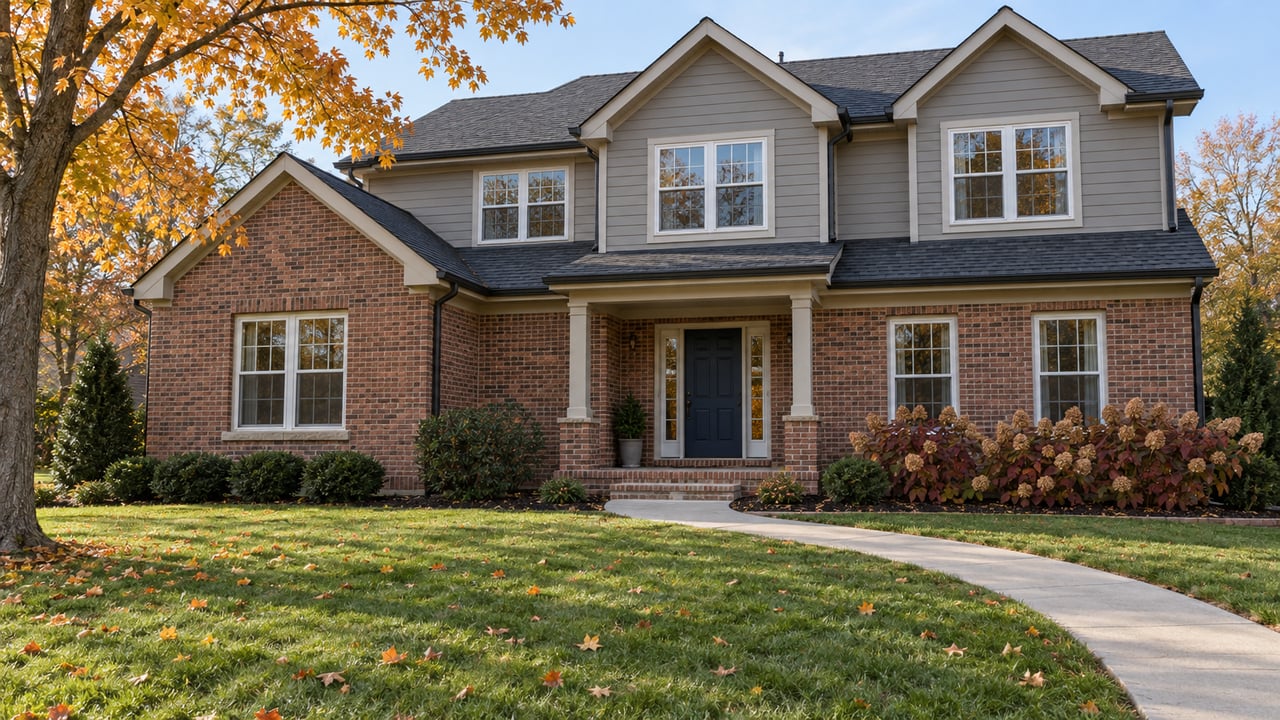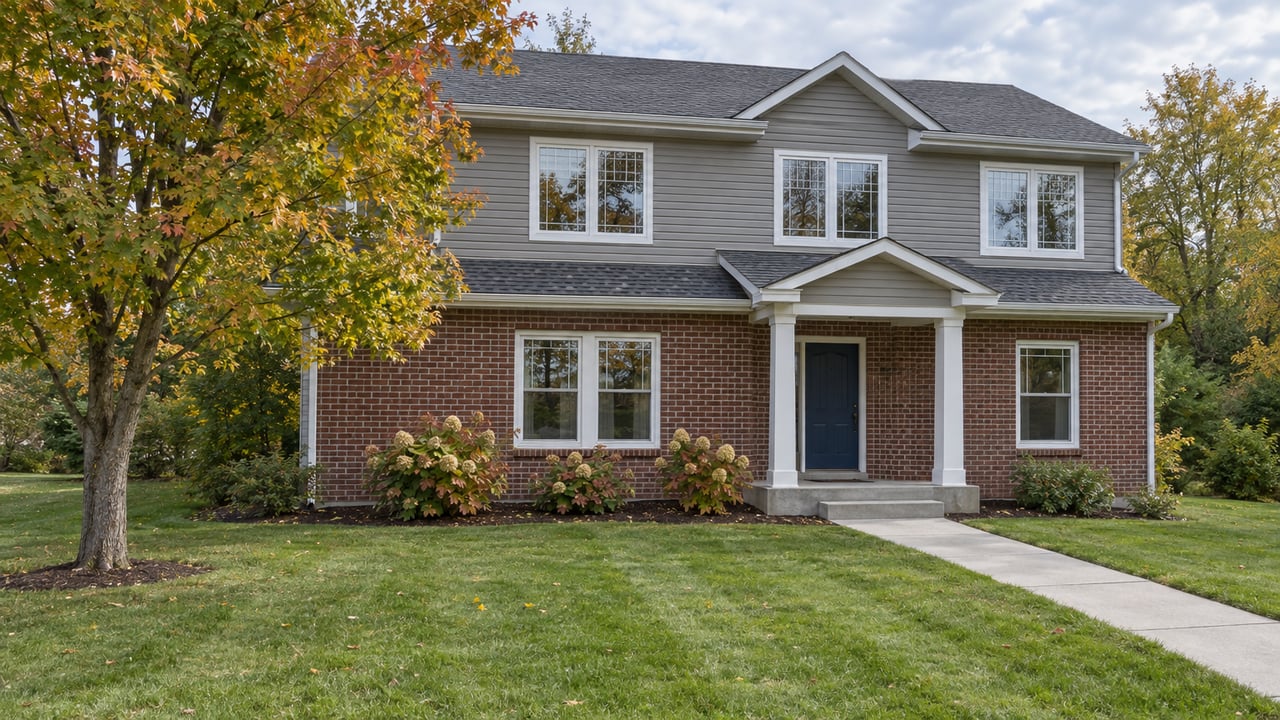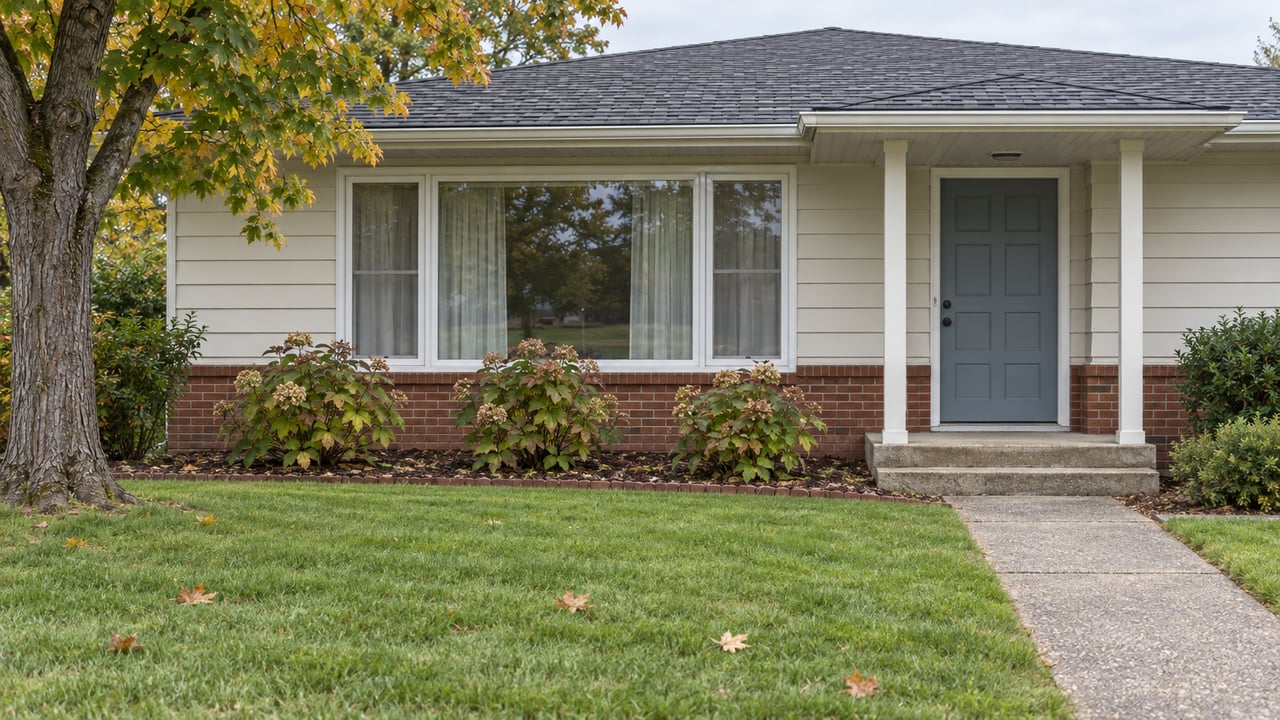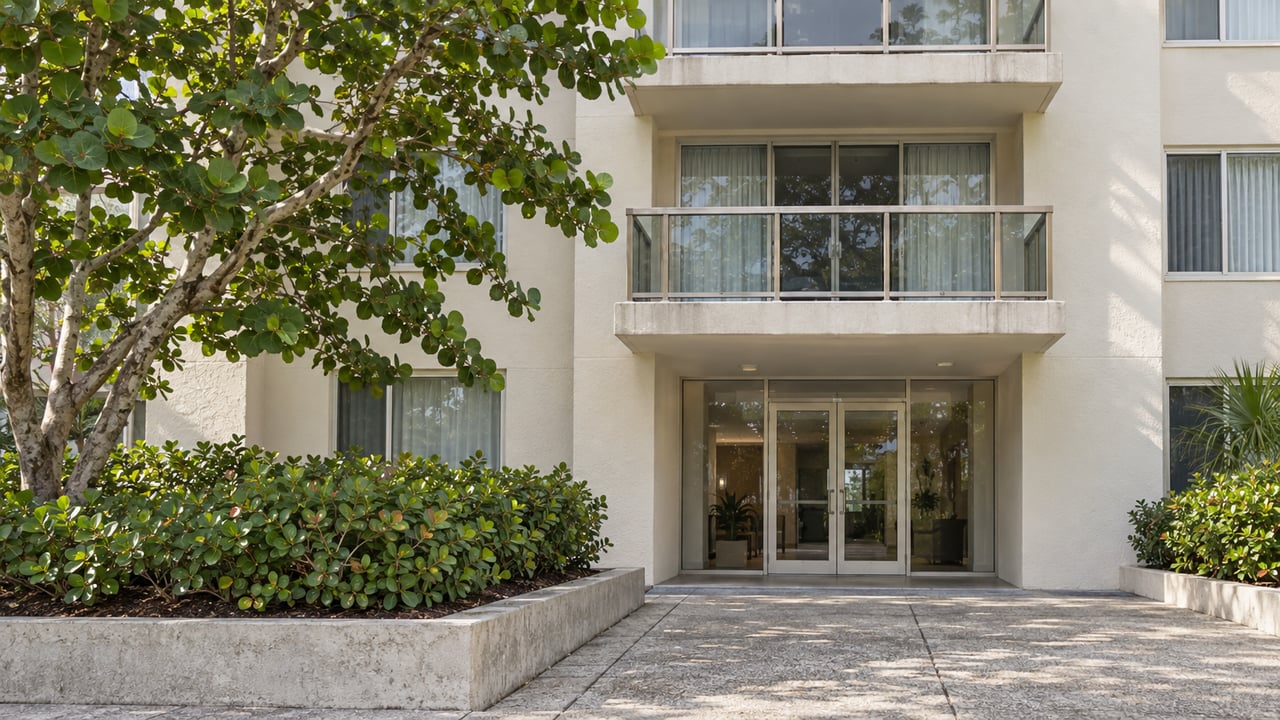
Thinking about a place in Tampa while keeping your home base in Ohio? You are not alone, and the decision can be exciting and a little more complex than many buyers expect. A second home purchase comes with a different financing path, different tax treatment, and some Florida-specific property details that matter even more when you will not live there full-time. This guide will walk you through what to watch, how to plan, and where to focus so you can buy with more clarity and less stress. Let’s dive in.
Tampa market basics
If you are shopping for a second home in Tampa, the first thing to know is that the market is giving buyers some room to think. As of March 2026, Realtor.com describes Tampa as a balanced market with about 4,700 homes for sale, a median listing price of $450,000, and a median of 63 days on market. Homes were also selling for about 1.59% below asking on average.
That does not mean every area of Tampa feels the same. Realtor.com’s ZIP-level data shows a major spread in pricing, from a median listing price of $325,000 in 33610 to $1.599 million in 33629. If you are buying for seasonal use, your budget should be tied to the part of Tampa you actually want to use, not just the city name.
It also helps to compare property types the right way. Florida Realtors reported that in March 2026, the Tampa-St. Petersburg-Clearwater metro had a median sale price of $400,000 for single-family homes and $279,990 for condos and townhomes. That means condo and townhome pricing was roughly 30% lower than single-family pricing in that broader metro snapshot.
Choose the right property type
For many Ohio buyers, the first big decision is not just where in Tampa to buy. It is whether a stand-alone house or a condo or townhome fits your second-home lifestyle better. That choice can affect your budget, your maintenance load, and how easy the property is to manage from out of state.
Single-family homes offer more control
A single-family home can give you more privacy, more outdoor space, and fewer shared rules. If you want a place for extended stays, visiting family, or storing seasonal items, that extra space may matter. You may also prefer having direct control over the property without an association managing major decisions.
The tradeoff is upkeep. If the home sits vacant for part of the year, you will need a plan for exterior maintenance, storm prep, and routine checks. For many second-home owners, that added responsibility becomes part of the real monthly cost.
Condos and townhomes can simplify ownership
A condo or townhome can be appealing if you want less exterior maintenance while you are back in Ohio. In the Tampa metro data, these properties also come in at a lower median sale price than single-family homes. That can create more flexibility in your budget.
But lower purchase price does not always mean lower carrying cost. Florida’s Department of Business and Professional Regulation says buyers may inspect association records, and that matters because association dues are only part of the picture. You should also review the budget, reserves, insurance, and any history of special assessments before you commit.
Why condo document review matters
Florida law treats special assessments as charges for expenses outside the adopted annual budget. For a part-time owner, that is important because an affordable monthly fee can still be followed by a large unexpected assessment. A careful review of the association’s records can help you understand whether the community appears financially prepared for future expenses.
There is another Florida-specific issue to know. For residential condos that are three habitable stories or higher, Florida requires a Structural Integrity Reserve Study at least once every 10 years. If you are considering this type of property, document review is not just a box to check. It is a key step in understanding long-term cost and risk.
Understand second-home financing
A second home is financed differently than a primary residence, so it is smart to sort this out early. If you still own your Ohio home when you buy in Tampa, the lender will look at the full picture, including reserves and how the Florida property will be classified. That can affect your buying power more than many shoppers expect.
What qualifies as a second home
Fannie Mae says a second home must be occupied by you for some portion of the year, be a one-unit dwelling suitable for year-round occupancy, remain under your exclusive control, and not be a rental property or a timeshare. Fannie Mae also states that if rental income exists, it cannot be used to qualify for a second-home loan.
That means your long-term plan matters. If you think the Tampa property may become a rental later, talk through that with your lender at the beginning. Second-home rules and investment-property rules are not the same, and getting the classification right upfront can prevent financing problems later.
Reserve requirements can affect your cash plan
If you are keeping your Ohio residence and adding a Tampa mortgage, reserve requirements may become a bigger factor. Fannie Mae notes that additional reserve requirements apply when a borrower has multiple financed properties. In simple terms, you may need more liquid cash left after closing than you would for a primary home purchase alone.
This is one reason why second-home planning should start before you write offers. A price point that looks comfortable on paper may feel different once you include down payment, reserves, and closing costs.
Budget beyond the purchase price
The list price is only one part of the cost. The Consumer Financial Protection Bureau says closing costs commonly run 2% to 5% of the purchase price in addition to the down payment. You should also leave room for moving expenses, furniture, repairs, and an emergency cushion.
That matters even more for a second home because you may be setting up a property from scratch. A place that seems move-in ready may still need window treatments, kitchen basics, outdoor items, or storm-prep supplies. Building a full second-home budget helps you avoid becoming house-rich and cash-poor.
Here is a simple way to frame your budget:
- Purchase price
- Down payment
- Estimated closing costs
- Required cash reserves
- Insurance setup costs
- Furnishing and move-in expenses
- Repair and maintenance cushion
- Ongoing HOA or condo dues, if applicable
Plan for Florida taxes and insurance
Two topics deserve extra attention for Ohio residents buying in Tampa: property taxes and insurance. Both can surprise buyers who assume a second home works like a primary residence.
Florida homestead usually does not apply
Hillsborough County states that to qualify for homestead, the owner must establish legal domicile, live on the property as of January 1, and file by March 1. Florida statute also says that a person claiming a permanent-residency-based exemption or credit in another state is not entitled to Florida homestead.
In practice, that means a Tampa second home generally will not receive homestead tax treatment. If you are keeping Ohio as your primary residence, it is wise to budget based on non-homestead tax treatment rather than assuming a future break.
Flood and storm planning should start early
Insurance planning for a Florida property should begin as soon as you narrow your search. FEMA says flood insurance is a separate policy that can cover the building, contents, or both. FEMA also notes that flooding can happen outside high-risk zones, and its Flood Map Service Center is the official source for flood hazard maps.
You should also pay attention to timing. NOAA says the Atlantic hurricane season runs from June 1 through November 30. If you are buying a part-time home, it is smart to complete inspections, bind insurance, and handle initial repairs before the property will sit unattended during the summer or fall.
Build a timeline from Ohio to Tampa
For many buyers, the hardest part is not choosing the property. It is coordinating the Florida purchase with an existing Ohio home and a realistic closing timeline. A little upfront planning can make that process much smoother.
If you plan to keep your Ohio home
If both homes will remain in your name, focus first on financing approval, reserve requirements, and insurance budgeting. This approach may offer flexibility, but it can also increase the amount of cash you need available. You want that clarity before narrowing your Tampa search.
If you plan to sell your Ohio home
If your Ohio sale will help fund the Tampa purchase, sequencing matters. The timing of your sale proceeds may affect your down payment, reserves, and comfort level when writing offers. A coordinated plan can help you avoid feeling rushed on either side of the move.
A practical second-home checklist
Before you make an offer, it helps to confirm these items:
- Your lender has reviewed the property as a second home, not assumed another use
- You understand expected cash reserves after closing
- You have a target area in Tampa based on actual seasonal use
- You have compared single-family and condo or townhome options
- If buying in an association, you are prepared to review documents carefully
- You have started insurance research, including flood considerations
- You have budgeted without assuming Florida homestead treatment
- You have a plan for maintenance while you are in Ohio
Why guidance matters in a cross-state purchase
Buying a second home in Tampa while living in Ohio is doable, but it works best when you treat it like a strategy, not just a search. You are balancing two housing situations, Florida-specific ownership costs, and a timeline that may involve remote decision-making. Clear steps, realistic budgeting, and good local context can make the process much easier to manage.
If you are weighing your options between Ohio and Tampa, working with an advisor who understands both sides of the move can help you make cleaner decisions. When you want a process-driven plan and straightforward guidance, connect with Kevin Hart to talk through your goals.
FAQs
What does the Tampa housing market look like for second-home buyers?
- As of March 2026, Tampa was described by Realtor.com as a balanced market with about 4,700 homes for sale, a median listing price of $450,000, 63 median days on market, and homes selling about 1.59% below asking on average.
What is the price difference between Tampa condos and single-family homes?
- In the March 2026 Tampa-St. Petersburg-Clearwater metro data from Florida Realtors, the median sale price was $400,000 for single-family homes and $279,990 for condos and townhomes.
What financing rules apply to a Tampa second home?
- Fannie Mae says a second home must be occupied by the borrower for part of the year, be a one-unit property suitable for year-round use, remain under the borrower’s exclusive control, and not be a rental property or timeshare.
Can rental income help qualify for a Tampa second-home loan?
- No. Fannie Mae states that if rental income exists, it cannot be used to qualify for a second-home loan.
Will a Tampa second home qualify for Florida homestead exemption?
- Usually no, if it is truly a second home. Hillsborough County requires legal domicile and occupancy as of January 1, and Florida law does not allow a permanent-residency-based exemption in Florida if one is claimed in another state.
What should Ohio buyers review before buying a Tampa condo?
- Florida DBPR says prospective buyers may inspect association records, so you should review the budget, reserves, insurance, and any history of special assessments before buying.
When should Tampa second-home buyers think about hurricane season?
- NOAA says the Atlantic hurricane season runs from June 1 through November 30, so buyers should try to complete insurance setup, inspections, and initial repairs before leaving a part-time property unattended during that period.