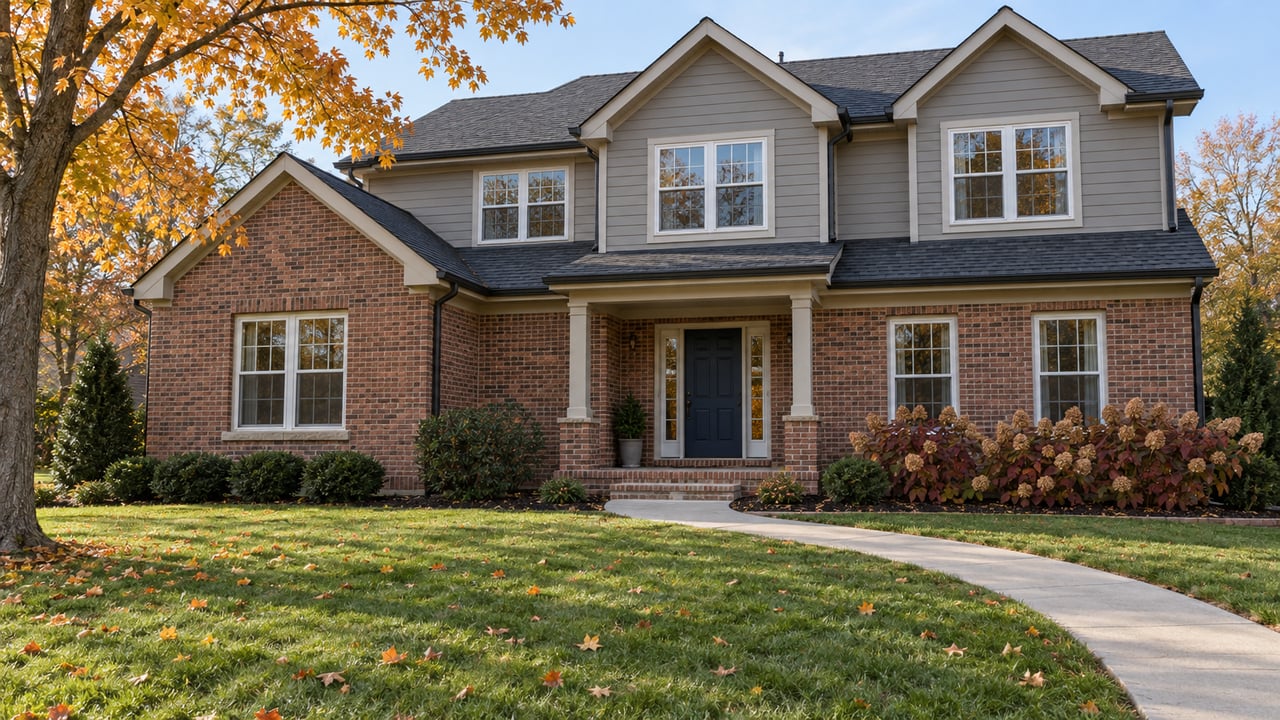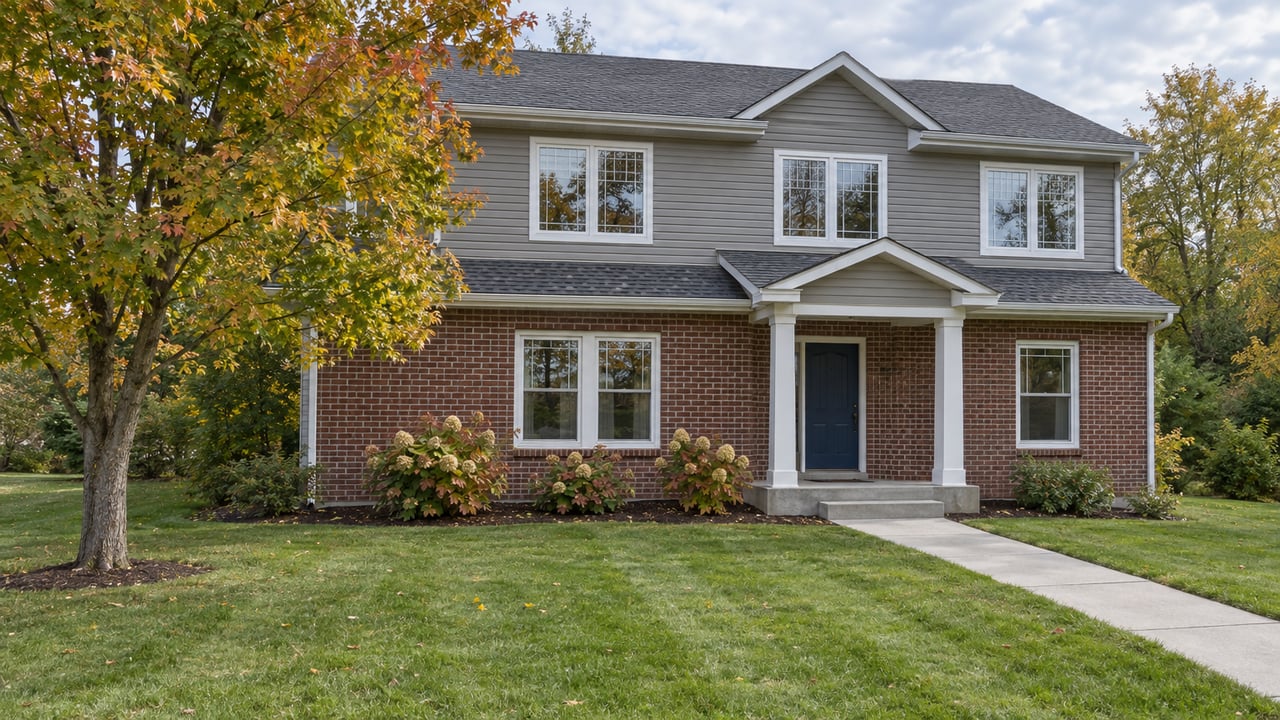
If you are thinking about buying a historic home in German Village, you are probably drawn to more than square footage. You may love the brick streets, the older architecture, and the feeling that each house has a story. At the same time, buying a historic home comes with a different set of questions than buying a newer property. This guide will help you understand what makes German Village homes unique, what to inspect closely, and how to plan for ownership with confidence. Let’s dive in.
Why German Village Homes Stand Out
German Village is one of Columbus’s most historic neighborhoods, located just south of downtown. According to the Advisory Council on Historic Preservation, the district includes about 1,800 structures and is known for narrow brick streets and brick Italianate and Queen Anne homes.
That historic character is a big part of the appeal. It is also a big part of what you are buying. In German Village, a home’s exterior details are not just cosmetic features. They often play a role in how the property is reviewed, maintained, and improved over time.
What “Historic Home” Means Here
In German Village, exterior changes are reviewed through a local preservation process. The German Village Commission has authority over exterior alterations, additions, new construction, and demolition, and it issues Certificates of Appropriateness for work that requires approval.
That does not mean every project is difficult. Routine maintenance and small repairs usually do not require a Certificate of Appropriateness, while work like replacing doors, windows, roofs, or other building elements often does. Some projects may also be staff-approved, and the neighborhood has approved-material lists for items like windows and roofing.
Common Features in German Village Houses
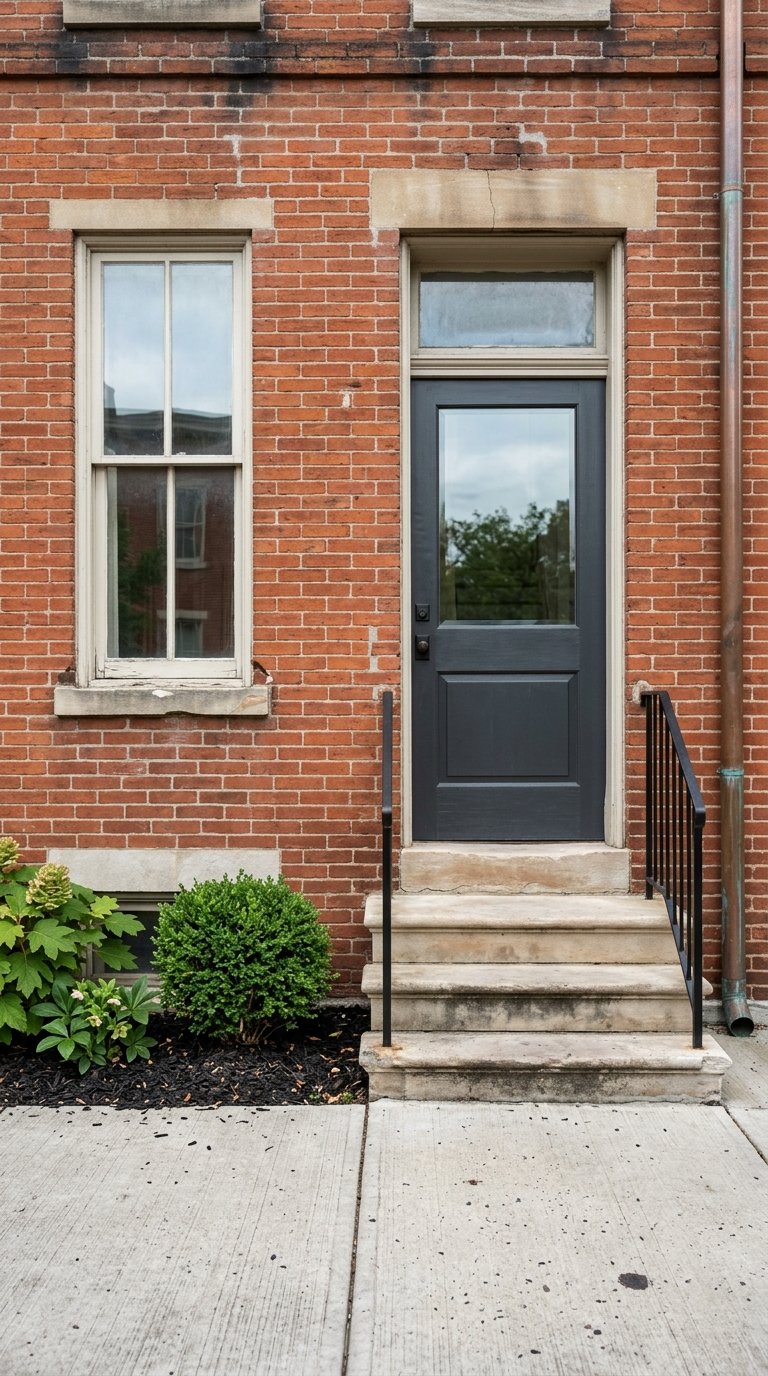
Many homes in German Village share details that help define the neighborhood’s look. These can include:
- 1½-story brick homes with gray slate gabled roofs
- 2½-story brick homes with hip roofs
- Chimneys at the ridge line
- Moderate roof overhangs with hanging gutters
- Double-hung windows
- Stone lintels and sills
- Four-panel doors
- Large-cut stone foundations
- Wrought iron fences
- Cut-stone steps
- Brick walks in herringbone or basket-weave patterns
When you tour homes, these details are worth noticing. They may affect both future maintenance costs and what kinds of updates are likely to fit the home and the surrounding streetscape.
Why Exterior Changes Need Extra Planning
One of the biggest differences between buying in German Village and buying in many other Columbus neighborhoods is the approval process for exterior work. If you already know you want to replace windows, change the front door, redo the roof, or build an addition, you should confirm early whether that scope will need review.
The neighborhood’s guidelines are considered the most authoritative written source for restoration and preservation decisions. Buyers can also review approved-material lists and, in some cases, a property’s house file, which may include older photographs. That can give you useful context before you make an offer or finalize your renovation budget.
What to Inspect Closely in an Older Home
Historic homes can be wonderful to own, but they often need a more careful evaluation. Age alone is not the issue. The bigger question is how key systems and materials have held up over time and whether past repairs were done in a compatible way.
Masonry and Mortar
Brick and stone can crack because of settlement, moisture, temperature changes, freeze-thaw cycles, and movement around openings. If masonry has been repaired before, the repair method matters.
Preservation guidance notes that repointing should match the existing mortar in color, hardness, and permeability. Hard Portland-cement mortar and abrasive cleaning methods can speed up deterioration, so this is an area where historic-home experience matters.
Windows and Doors
Older windows often raise questions for buyers, especially around energy efficiency and maintenance. The good news is that historic windows can often be repaired or improved with weatherstripping and storm windows, and many have lasted more than 100 years with regular upkeep.
If replacement becomes necessary, especially on a primary street-facing or highly visible side of the house, the new window typically needs to closely match the historic design, material, and visual qualities. That can affect both cost and project timing.
Plaster, Porches, and Roofs
Interior plaster is another feature that deserves a close look. Historic plaster is often best repaired rather than removed, and many repairs require a skilled plasterer.
Porches also need attention because they are exposed to moisture, rot, and insects. Roofs matter too, especially if the home has historic slate. Slate roofs can last 60 to 125 years or longer, and preservation guidance favors repair over replacement when possible.
Lead and Asbestos Considerations
Many homes built before 1978 may contain lead-based paint. If future work will disturb painted surfaces, the EPA recommends using lead-safe certified firms to reduce the risk of hazardous dust.
Asbestos can also be a concern in some older materials. If materials are damaged or will be disturbed during remodeling, trained and accredited professionals should evaluate the situation.
A Smart Buyer Workflow for German Village
Buying a historic home gets easier when you break the process into clear steps. Here is a practical workflow that can help you evaluate a property with fewer surprises.
1. Review the District Rules First
Before you get too far into plans for updates, review the German Village guidelines. If you are considering exterior changes, confirm whether a Certificate of Appropriateness is likely to be required.
If available, check approved-material lists and the property’s house file. Older photographs can help you understand what has changed over time and what the home may have looked like historically.
2. Schedule an Independent Home Inspection Early
A thorough home inspection is especially important with older housing stock. Try to schedule it as early as possible and attend if you can.
Being there in person can help you understand what is routine maintenance, what may need a specialist, and what could affect your negotiation strategy. It also gives you time to decide how to respond if major issues surface.
3. Add Specialists When Needed
A general inspection is often just the starting point with a historic home. If the inspector flags masonry movement, window condition, roofing issues, or signs of hazardous materials, bring in the right specialist for that issue.
In some cases, sample repairs can also help answer whether original features can be repaired instead of replaced. That distinction matters in both budgeting and preservation planning.
4. Work With Historic-Home Professionals
German Village resources note that experienced design professionals can be helpful during the approval process. That is especially true if you plan to make visible exterior changes or need to appear before the commission.
Contractors and consultants with historic-home experience can also help you avoid expensive missteps. The right team understands both the material itself and the neighborhood context.
5. Budget for Repair-First Decisions
One of the most important mindset shifts is this: older homes often reward a repair-first approach. Preservation guidance consistently favors repairing historic materials when possible and matching replacements closely when replacement cannot be avoided.
That can mean a project you first thought of as a simple swap turns into a more detailed scope. It is smart to leave room in your budget for that possibility, especially on visible exterior elements.
How to Think About Costs
Buying a historic home in German Village is not just about the purchase price. You should also think about near-term maintenance, specialized labor, and any exterior work that may require approval.
A house with original windows, older masonry, slate roofing, or historic plaster may have tremendous character. It may also need more specialized care than a newer home with standard replacement materials. Going in with clear expectations can help you make a confident decision.
The Upside of Buying Historic
For many buyers, the extra planning is worth it. German Village offers a distinct sense of place, and many homes include craftsmanship and materials that are hard to replicate today.
When you understand the rules, inspect carefully, and budget realistically, you can enjoy that character without feeling caught off guard. The key is to approach the purchase as both a homebuying decision and a stewardship decision.
If you are weighing whether a specific German Village property is the right fit, it helps to have a clear process from the start. The right guidance can help you compare homes, line up inspections, and think through tradeoffs before you commit. When you are ready to explore your options in Central Ohio, connect with Kevin Hart.
FAQs
What should you know before buying a historic home in German Village?
- You should know that German Village exterior changes often go through a local review process, and certain projects like replacing windows, doors, or roofs may require a Certificate of Appropriateness.
What features are common in German Village historic homes?
- Common features include brick exteriors, slate roofs, double-hung windows, stone lintels and sills, four-panel doors, stone foundations, wrought iron fences, and patterned brick walkways.
What inspections matter most for a German Village home purchase?
- A general home inspection is the first step, but older homes may also need specialty review for masonry, windows, roofing, plaster, lead-based paint, or asbestos depending on what the first inspection finds.
Can historic windows in German Village homes be repaired?
- Yes, historic windows can often be repaired or upgraded with weatherstripping and storm windows, and repair is often preferred before replacement is considered.
Do all repairs in German Village need commission approval?
- No, routine maintenance and small repairs usually do not need approval, but many exterior replacements or alterations do, so it is important to confirm the scope early.
Why should you budget differently for a historic home in German Village?
- Historic homes may require specialized materials, skilled trades, and repair-first decisions that can affect both cost and timeline, especially for visible exterior features.