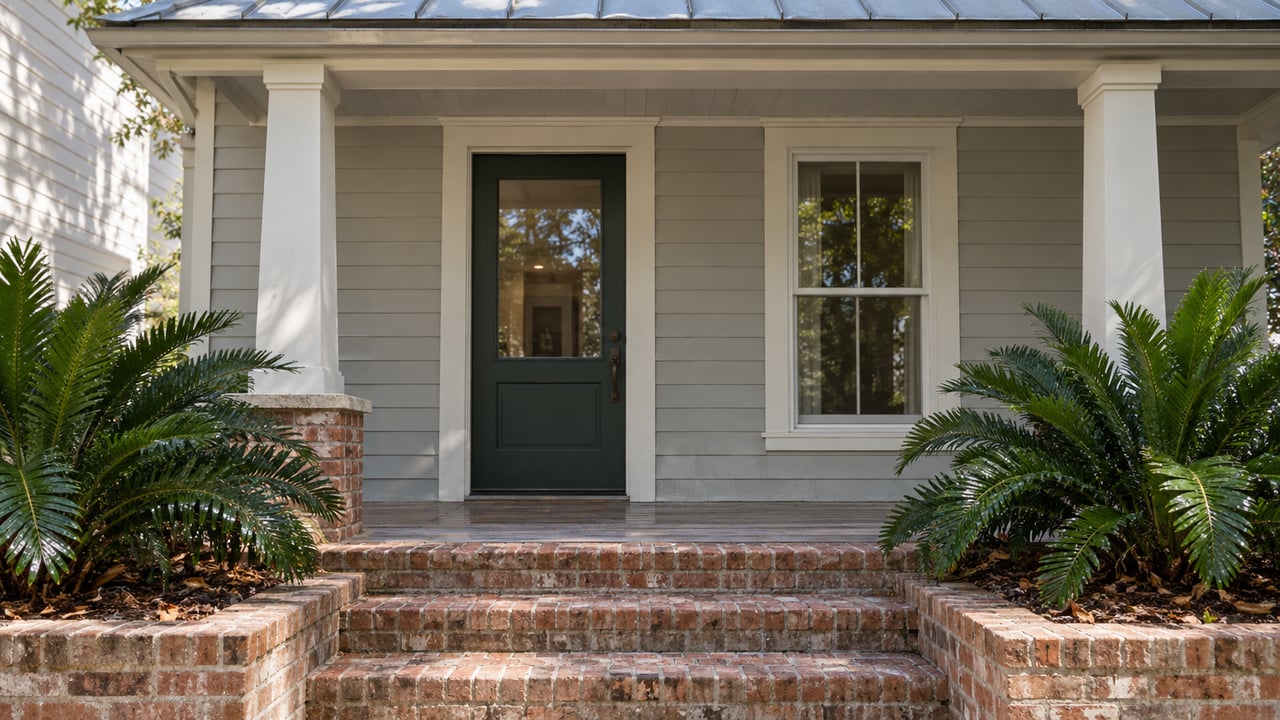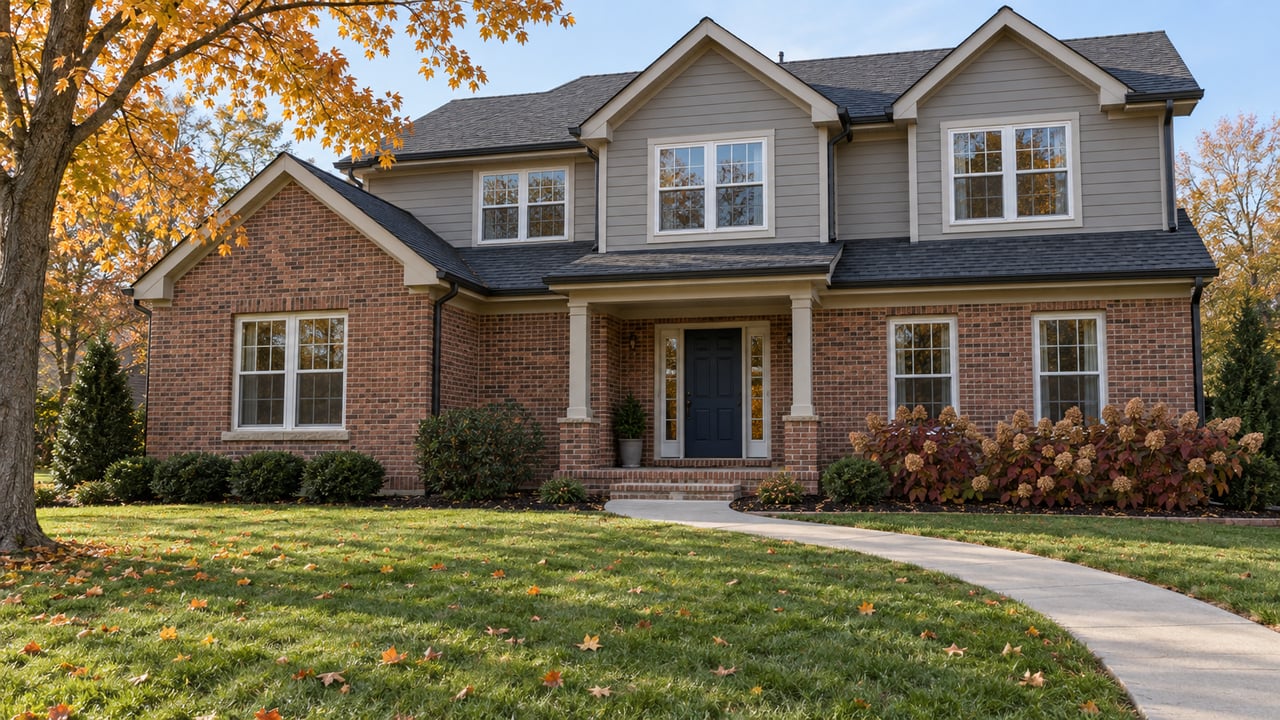
Two homes for sale at similar prices, both described as "Pickerington," can leave the same household with different local income tax bills every year. Which one costs less depends on two things the listing doesn't show. The first is which city's limits the house sits in. The second is where the buyer's paycheck is earned.
Every resident of Pickerington Local School District owes the district's 1% school district income tax, whether they own or rent. That 1% is the same everywhere in the district. The layer on top of it changes with the address. The district covers the City of Pickerington and Violet Township, plus parts of Reynoldsburg, Columbus and Canal Winchester, and the district's own FAQ names all five.
The school tax follows the district map
According to the Ohio Department of Taxation's 2026 rate table, Pickerington LSD is district number 2307, its rate is 1.00%, and the tax has been in effect since 1991. It uses the "traditional" base. The state defines that base as modified adjusted gross income less exemptions. It is broader than an earned-income base, which covers only wages and self-employment income.
The tax depends on where you live, not where you work. A household that moves in partway through the year owes it only on income received while living in the district. The state's school district income tax FAQ also points out that the city you live in is not necessarily your school district. Its advice is to enter the full street address into The Finder, the state's address lookup tool.
City income tax follows a different map. That second map is what makes the total change from one address to the next.
Pickerington's half credit makes the commute the deciding factor
The City of Pickerington's income tax is 1%. A resident who works in another city pays that city first. Pickerington then gives a credit of up to one-half of one percent of the wages the other city taxed. The city's tax FAQ gives its own example: $50,000 taxed by Columbus earns a $250 credit. The same page says a Pickerington resident who works in Columbus gets no refund of the Columbus tax, because "your residence city does not receive any of those taxes."
The cities that share the district handle this differently. The City of Columbus taxes residents at 2.5% and gives 100% credit for tax paid to a work city, up to 2.5%. RITA's schedules show Reynoldsburg at 2.5% with a 100% credit and Canal Winchester at 2% with a 100% credit. Both have been at those levels since January 1, 2020.
Here is how those rules play out for one household earning $100,000 in wages at a job in Columbus. The figures cover the city tax only, using the published rates and credits. The school tax is a separate line on top of every row.
| Home address inside PLSD | Paid to Columbus as work city | Owed to home city after credit | City tax total on $100,000 |
|---|---|---|---|
| City of Pickerington | $2,500 | $500 | $3,000 |
| Columbus | $2,500 | $0 | $2,500 |
| Reynoldsburg | $2,500 | $0 | $2,500 |
| Canal Winchester | $2,500 | $0 | $2,500 |
| Violet Township | $2,500 | No city layer | $2,500 |
The Pickerington figure works out this way. The city's 1% on $100,000 is $1,000. The credit for wages taxed by Columbus is $500, which leaves $500 owed to Pickerington. For a commuter to a 2.5% city, an address inside Pickerington city limits adds about half a percent of wages each year compared with the other addresses in the same school district.
Violet Township is unincorporated. Its income tax collection runs through two Joint Economic Development Districts, the Violet Township–Lancaster JEDD and the Violet Township–Canal Winchester JEDD. These districts tax income earned by people working inside them. RITA lists the Canal Winchester JEDD at 2% with no credit, effective January 1, 2024. The Lancaster JEDD's 2025 budget lists 2.30% on employee withholding.
Remote work reverses the order
When there is no work-city tax, the home city collects its full rate and the ranking from the table flips.
- City of Pickerington: 1% of wages, so $1,000 on $100,000.
- Columbus or Reynoldsburg: 2.5%, so $2,500.
- Canal Winchester: 2%, so $2,000.
For a household that works from home, an address in Pickerington city limits carries the lowest city rate among the cities in the district. A Columbus-side address costs $1,500 more per $100,000 of wages. For a household that commutes to Columbus, the same Pickerington address costs $500 more. For a Pickerington city household earning $100,000, switching from a Columbus job to remote work drops the city tax total from $3,000 to $1,000 without a move.
The JEDDs add one more detail for remote workers. The Lancaster JEDD's employer withholding packet says employees who work within the JEDD must have tax withheld, including employees working remotely from a home located inside the JEDD.
Retirement income follows a third rule
The two taxes treat retirement money differently. Pickerington's city tax applies to earned income, including 401(k) contributions at the time they are earned. The city's FAQ says it does not tax 401(k) or retirement plan distributions later, because it already taxed that money when it was earned.
The school district tax works differently because of its traditional base. Because that base starts from modified adjusted gross income, the Ohio Department of Taxation notes that it can include retirement income. A retired buyer may owe little or no city income tax and still owe the school tax.
The city's FAQ also says that a "Pickerington 2307" line on a W-2 is school district tax, which the state administers. That tax cannot be credited against the city tax.
The November vote left the 1% in place, and the district is cutting
On November 3, district voters rejected a 10-year, 0.75% traditional-base income tax that would have been added to the existing 1%. NBC4's election results showed 13,631 votes against and 13,386 for in the unofficial count. NBC4 reported that the tax would have raised an estimated $21.9 million a year. The defeat followed May's rejection of a permanent 1.25% proposal. Had the November measure passed, it would have started January 1, 2027.
The rate a buyer faces today is still the 1% that has applied since 1991. In a November 4 statement, the district said it would carry out its existing reduction plan. Board President Cathy Olshefski said the board would evaluate its options and the district's financial realities.
NBC4 reported that Superintendent Charles Smialek suspended all extracurriculars except varsity sports starting the day after the election. Some music and theater programs will continue through the holidays. He said the close margin could shape how the district approaches "potentially putting a ballot issue in the May election."
The district's published reduction plan puts the current cuts at about $3.28 million a year in savings. They include staffing reductions, higher participation fees and fewer select sports. Further possible reductions are listed for January 2027 and July 2027, including cutting transportation to the state minimum.
Both proposals the district made in 2026 went to district voters. A buyer closing this winter can find the current rate in the state's rate table and follow any future ballot issue as it comes up.
A slower market gives buyers time to run the numbers
Buyers have more room this fall to check an address before writing an offer. The Columbus REALTORS® September 2026 report for Pickerington (Corp.), with data current as of October 8, showed 71 homes for sale, up 20.3% from September 2025. Months of supply rose from 1.8 to 2.2, and homes took 21 days to sell compared with 17 a year earlier.
The September median of $414,900 was up 7.8%, but it was based on only 29 closed sales. Year to date through September, the median was $428,000, up 1.9%. Average price per square foot was $193.02, almost unchanged at +0.1%.
The Pickerington Local School District report covers the larger footprint. It showed a $410,000 September median, 139 homes for sale (up 13.9%) and 25 days on market compared with 20. The two reports cover different areas, so their figures shouldn't be combined.
With price per square foot flat, homes at similar prices across the district are getting similar value per foot. The city tax difference is separate from the price and repeats every year. Here is a simple order of checks once a home is on the shortlist:
- Enter the full street address in the state's Finder, linked from the Ohio school district income tax page, to confirm the school district.
- Check the address against the City of Pickerington's street listing to see whether it is inside city limits.
- For a Violet Township address, ask whether the property is inside a JEDD. This matters most for anyone who works from home.
- Line up each working adult's work city, or remote status, against the rates above before comparing two homes.
Quick answers
Do renters in the district pay the school income tax? Yes. The district says the 1% applies to everyone living within its boundaries, whether they own or rent.
Does a Columbus address inside the district pay both Columbus and school taxes? Yes. The district names Columbus residents within its boundaries as school income tax payers. Columbus taxes its residents at 2.5%.
Can the school tax be credited against Pickerington's city tax? No. The city says the school district tax is administered separately by Ohio and cannot be credited.
This post is general information and not tax or legal advice. Rates, credits and your own filing situation should be confirmed with a tax professional or the agency that administers each tax.
If you're comparing homes around Pickerington, Hart Property Advisors can check each address on your shortlist against the school district and city lines first, so you know which tax layers apply before you compare prices.